Many people use the term sunspots to describe any brown mark on the skin. In reality, not all sunspots are the same — and this is one reason why some spots respond differently to treatments.
Understanding the type of sunspot you have is important before deciding on any form of treatment.
Common Types of Sun-Related Spots
1. Solar Lentigines (Age Spots)
These are the most commonly recognised “sunspots”.
Usually flat, brown patches
Often appear on the face, hands, and chest
Linked to long-term sun exposure
Tend to persist and do not fade on their own
2. Freckles
Freckles are often mistaken for sunspots.
Smaller and lighter in colour
Can darken with sun exposure and lighten when exposure reduces
Usually appear earlier in life
Reflect increased pigment activity rather than sun damage
3. Post-Inflammatory Pigmentation Triggered by Sun
Some dark spots are not true sunspots but develop after:
Acne
Insect bites
Skin irritation
Sun exposure can cause these marks to darken and become more noticeable.
Why Some Sunspots Fade and Others Don’t
Not all spots sit at the same depth in the skin.
Surface-level pigmentation may respond more readily
Deeper or long-standing spots often need more targeted approaches
This is why proper assessment matters — treating all sunspots the same may not be effective.
Sunspots (also known as solar lentigines or age spots) typically appear later in life, especially after years of UV exposure.
Treatment Options for Different Sunspots
Treatment is selected based on the type of spot and how the pigment behaves.
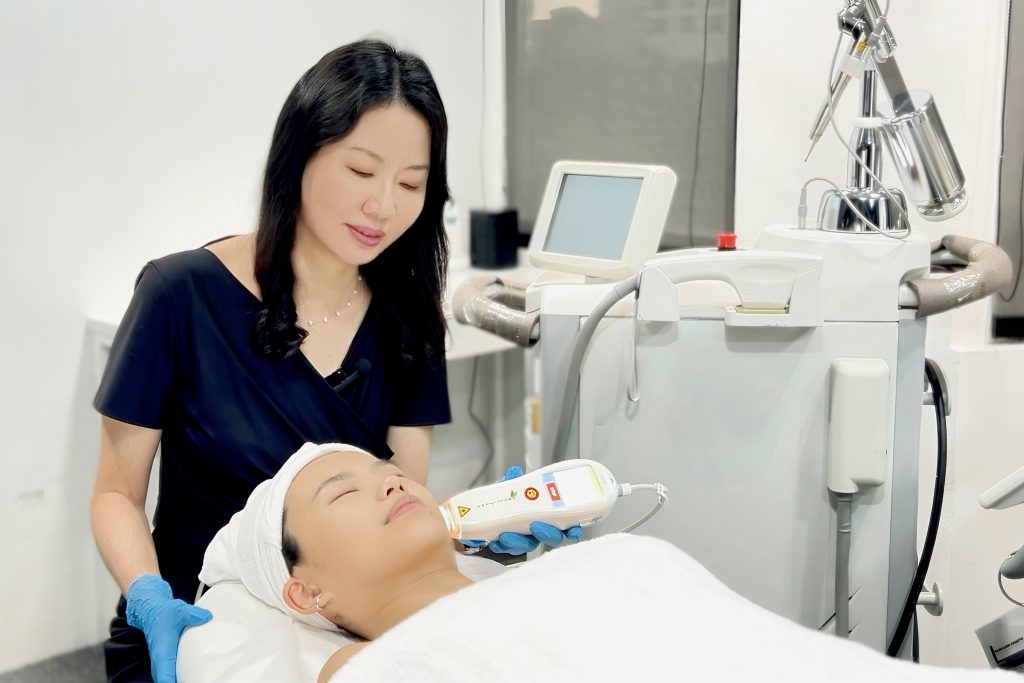
The Digital Peel Laser uses dual wavelengths delivered in a controlled, pixel-style pattern. This allows the treatment to target surface pigmentation and visible spots while also supporting deeper skin remodelling in the same session. The digital peel approach helps refresh the outer skin layer and improve uneven tone gradually, with settings adjusted by the doctor based on individual skin response.
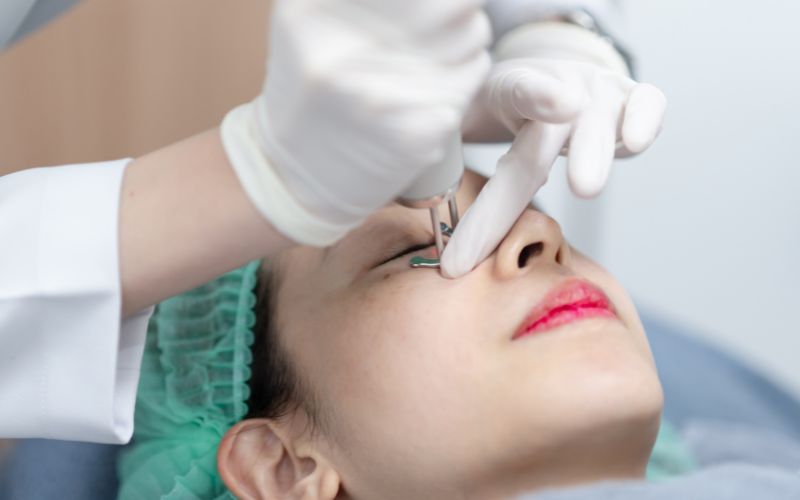
Delivers ultra-short pulses of energy to target unwanted pigment more precisely. This allows pigment to be broken down into smaller particles, which the body gradually clears, making it suitable for various pigmentation concerns under medical guidance.
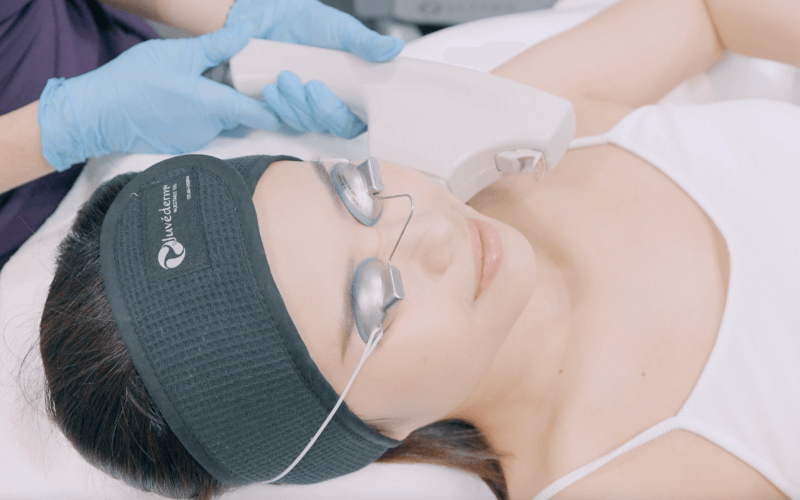
BBL Photorejuvenation uses broad-spectrum light with targeted filters designed for sun-related spots. The light is absorbed by excess pigment in sunspots, helping them gradually fade over time, with treatment plans personalised by the doctor based on skin type and pigmentation concerns.
When to See a Doctor
It’s best to get medical advice if you notice:
A spot that changes in size, colour, or shape
A patch that looks very different from other marks on your skin
Pigmentation that darkens quickly
Any uncertainty about whether a mark is harmless
A proper consultation helps ensure you receive the right guidance and care.
Thinking About Treating Pigmentation?
The doctors at Healthsprings Laser & Aesthetic Clinic are experienced in helping patients manage different types of pigmentation concerns. If you would like an assessment or have questions about the suitable treatments for your skin, you are welcome to reach out.