

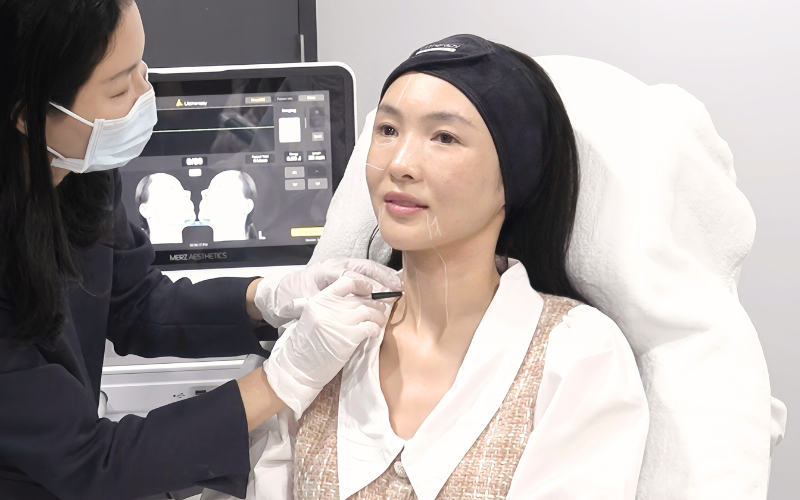
What happens to your face between age 30–40? Many people start noticing subtle changes in their face during their 30s, even if their skincare routine has not changed. These changes often happen gradually and may not be obvious at first, but over time, they can affect how the face looks and feels.
Understanding what is happening beneath the skin can help you make more informed decisions about skincare and aesthetic treatments.
Collagen Production Begins to Decline
Collagen is a key protein that helps keep the skin firm and smooth. From around the age of 30, collagen production begins to decrease gradually each year.
As collagen levels decline:
- Skin may feel less firm
- Fine lines may begin to appear
- Skin may not bounce back as easily
This is one of the main reasons why the skin starts to show early signs of ageing during this period.
Skin Becomes Less Firm and Elastic
With reduced collagen and elastin, the skin may begin to lose some of its natural elasticity.
This can present as:
- Mild skin laxity
- Softer facial contours
- Early sagging in certain areas
These changes are often subtle but may become more noticeable over time.
Facial Fat Distribution Changes
The face is not just skin — it also contains fat pads that provide structure and volume. Over time, these fat pads can shift or reduce.
This may lead to:
- A slightly flatter midface
- Changes in facial contours
- A more tired or less defined appearance
Even without weight gain, the face may appear different compared to earlier years.
Early Changes Around the Eyes and Mouth
Certain areas of the face tend to show changes earlier than others.
Common signs include:
- Fine lines around the eyes
- Mild eye bag formation
- Downturned mouth corners
- Subtle smile lines
These changes can contribute to a more tired or less refreshed appearance.
Skin Texture and Radiance May Change
In addition to structural changes, the overall quality of the skin may also be affected.
You may notice:
- Duller skin tone
- Uneven texture
- Slower skin renewal
Skincare continues to play an important role, but some changes occur at deeper levels of the skin.
Why Skincare Alone May Not Be Enough
While a good skincare routine supports skin health, it mainly works on the surface layers of the skin. Many age-related changes, such as collagen loss and skin laxity, occur deeper within the skin.
This is why some individuals explore treatments that target deeper layers to support skin structure over time.
Treatment Options That May Help
Depending on individual concerns, doctors may recommend treatments that focus on improving skin quality and supporting collagen production.
These may include:
- Laser treatments for skin texture and pigmentation
- Collagen-stimulating treatments
- Energy-based skin tightening treatments
How Ultherapy PRIME May Support Skin Lifting

One example of an energy-based treatment is Ultherapy PRIME.
Ultherapy PRIME uses focused ultrasound energy to target deeper layers of the skin, including the foundational SMAS layer where collagen is produced. By stimulating collagen production over time, it may help to:
- Support skin firmness
- Improve mild skin laxity
- Enhance facial contours
By targeting deeper structural layers, this approach is designed to provide a more effective lifting effect, with results that may last up to a year. It is often considered for individuals who are beginning to notice early signs of lifting loss.
A consultation with a doctor is important to determine whether this type of treatment is suitable based on your skin condition and goals.