

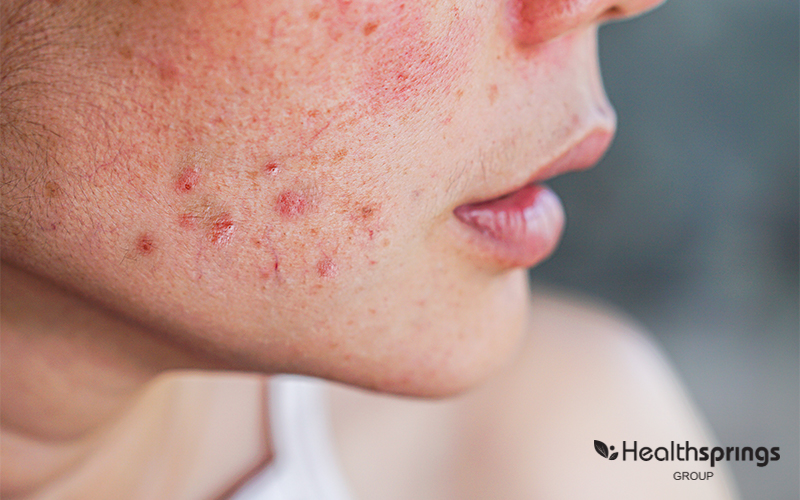
 Acne is a common skin condition that affects millions of people worldwide. In fact, according to a study, 9.4% of the global population struggle with it, making acne one of the top few concerns people around the world face. For some of us, acne triggers a cascade of negative emotions, but in other cases, it has the potential to cause discomfort and lower your quality of life. What’s worse is, it can leave behind a frustrating reminder in the form of scars and significantly impact your appearance and skincare routines. To help you better care for your skin and prevent both acne and acne scars, we’ve put together a comprehensive guide about them below. Read on to learn more.
1.1. Causes of Acne
Before we dive into the details of acne scars, we need to first understand their root cause—acne.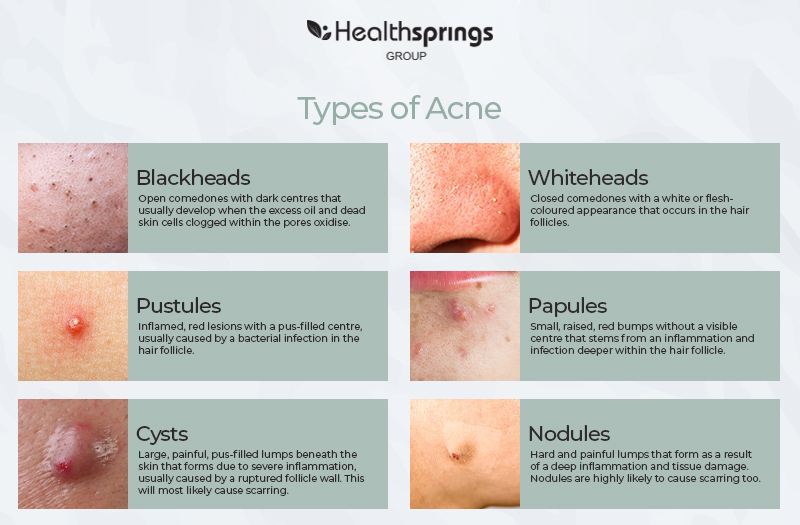 Acne forms when our hair follicles become clogged with oil and dead skin cells. A few different types of acne may appear, including black heads, whiteheads, pustules, papules, cysts and nodules. These acne may develop as a result of the below factors:
-
Hormonal Changes
-
Genetics
-
Bacteria
-
Dietary Factors
-
Stress
Understanding Acne Scars
2.1. How Do Acne Scars Form?
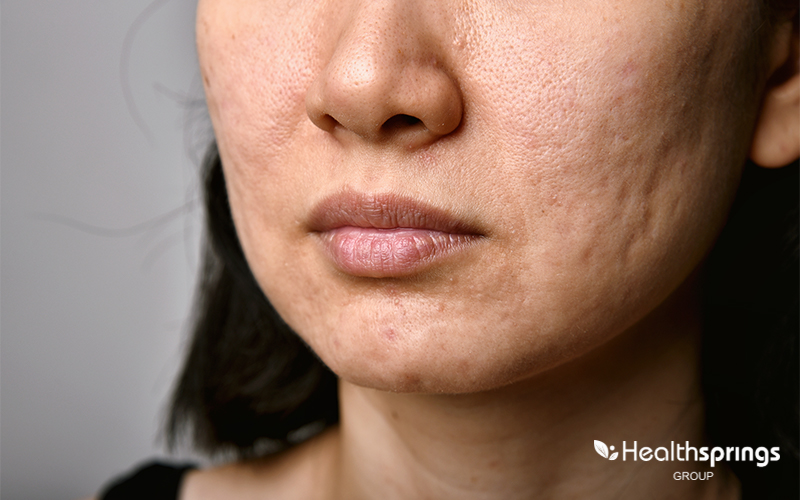 Acne scars are the lasting reminders of a battle waged beneath the skin’s surface; they are the result of the skin’s healing process after inflammatory acne lesions, such as pimples or cysts, have damaged the deeper layers of the skin. A number of complex biological processes cause scars to form. Here’s a look at them.
-
Collagen Disruption
-
Post-Inflammatory Hyperpigmentation
-
Remodelling Phase
2.2. Types of Acne Scars
Acne scars are a common concern for many individuals who have experienced severe or persistent acne. They can vary in appearance and may require specific approaches for effective treatment. Understanding the characteristics of different acne scars can empower you to make informed decisions about your skin care.-
Atrophic Scars
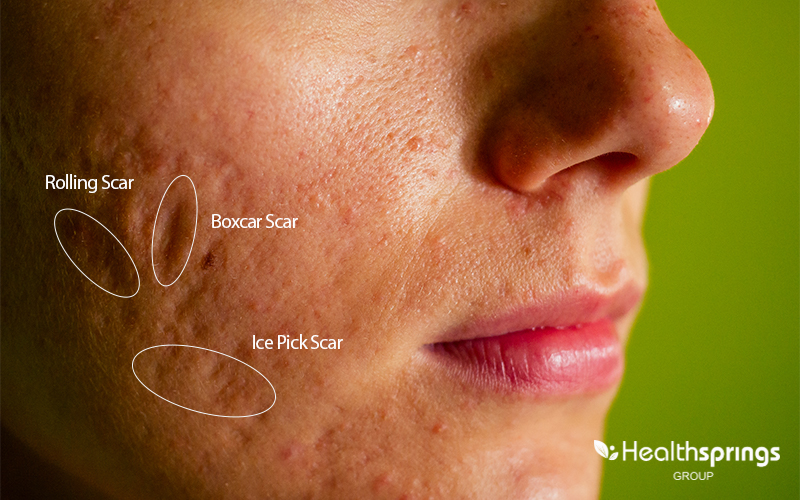 Atrophic scars are characterised by a loss of tissue, resulting in a depressed or pitted area on the skin. This happens when the skin fails to regenerate tissue properly following an inflammation caused by acne. The severity of inflammation and your body’s response to it play a role in the formation of atrophic scars. Treatment options may include laser therapy, chemical peels, microneedling, and dermal fillers to restore volume and improve the appearance of atrophic scars.
There are three main types of atrophic scars: ice pick, boxcar, and rolling scars.
– Ice Pick Scars
Ice pick scars are deep, narrow, and they extend into the skin. They resemble small puncture wounds, and are particularly challenging to treat due to their depth. When inflammatory acne lesions destroy collagen on your skin, ice pick scars will form. Punch excision, laser resurfacing, and chemical peels can help to smooth the skin’s surface and reduce the appearance of ice pick scars.– Boxcar Scars
Broader, box-shaped depressions with well-defined edges are known as boxcar scars. They can vary in depth and are typically wider than ice pick scars. But, they result from the destruction of collagen too. Laser treatments and chemical peels are common acne scar treatments employed to promote collagen remodelling and skin smoothing, eliminating boxcar scars.– Rolling Scars
Unlike the structured appearance of boxcar scars, rolling scars create a wave-like texture on the skin’s surface and have undefined borders. They develop when fibrous bands of tissue form between the outer (epidermis) and deepest layers of skin (subcutaneous tissue). Acne scar treatments like laser therapy and dermal fillers, can help fade rolling scars.-
Keloid Scars
-
Hypertrophic Scars
Acne Scar Treatment
3.1. Topical Treatments
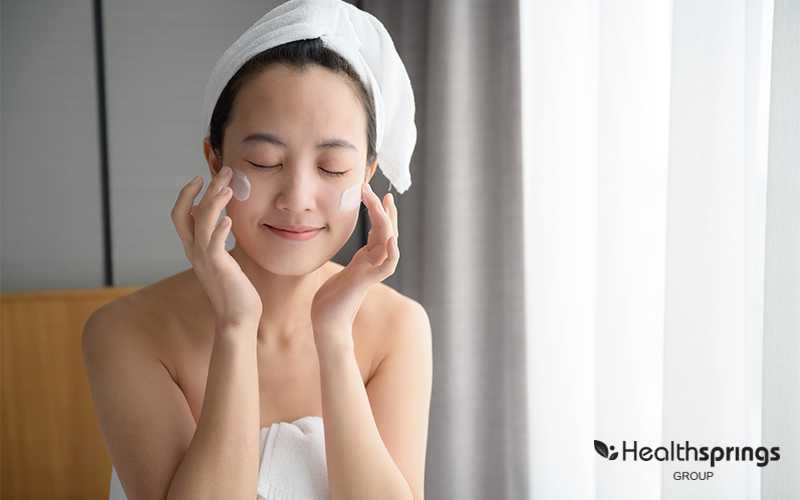 Topical acne scar treatments offer a simple and convenient way to minimise the appearance of scars and promote skin healing. While they may not be as efficient as in-office treatments, they can be ideal options for those who prefer DIY solutions.
Topical treatments come in many forms, including creams, lotions, serums, gels, and ointments. However, this isn’t the most important because the key lies in the active ingredients these products contain. Here are some contents you should be looking out for when selecting topical acne scar treatments:
-
Retinoids
-
Alpha Hydroxy Acids (AHAs)
-
Vitamin C
-
Niacinamide
-
Hyaluronic Acid
-
Peptides
3.2. In-Office Procedures
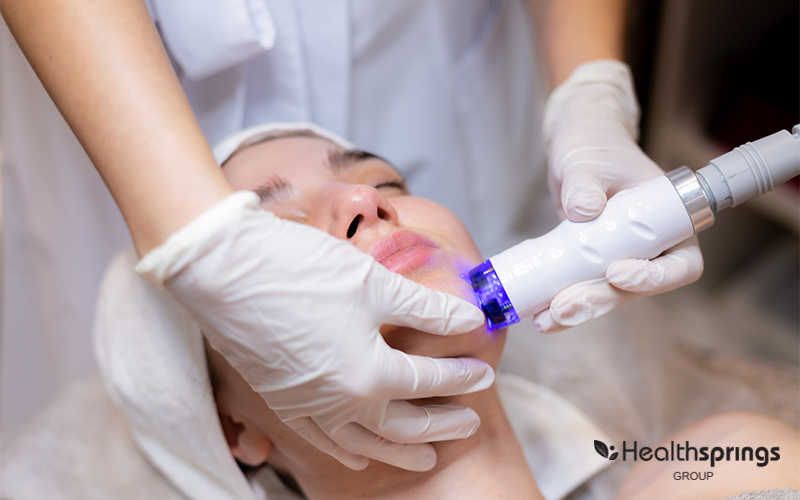 In more severe cases, or for quicker resolution of your acne scars, you may wish to visit a medical aesthetic clinic for in-office treatments that target deeper layers of the skin. From microneedling to laser treatments for acne scars, these options harness technology to give you the complexion you desire.
-
INFINI RF Microneedling
-
Fractional CO2 Laser
-
Fotona 4D Laser
-
Revlite Laser
-
Forever Young BBL (BroadBand Light)
Preventing Acne Scars
4.1. Establishing A Skincare Routine
Maintaining healthy skin and preventing acne scars require consistent skincare habits. Here’s a step-by-step guide to help you establish an effective routine.Step 1: Gentle Cleansing
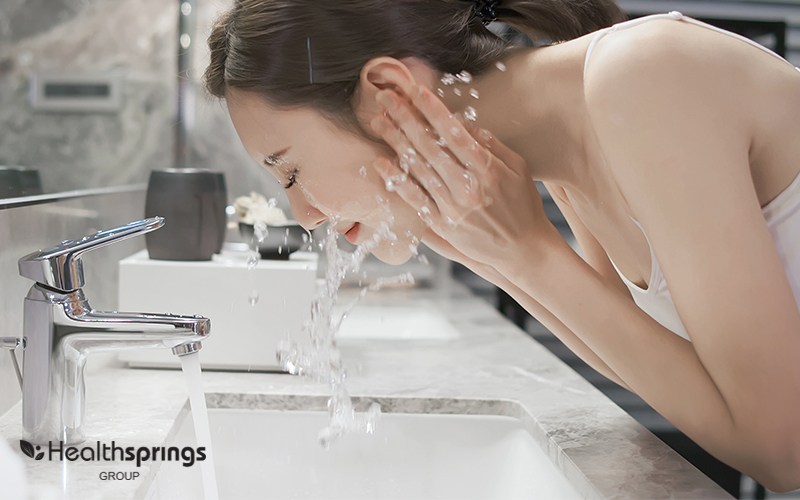 Always begin your routine with a gentle cleanser, such as Healthsprings’ Gentle Facial Cleanser, to remove dirt, excess oil, and makeup from your skin. You’ll need these impurities removed to prevent them from getting stuck in your pores and causing an infection.
Look for a mild, non-comedogenic cleanser that won’t clog your pores and avoid harsh products. Cleanse twice a day, in the morning and before bed, and handle your skin gently to prevent irritation.
Step 2: Exfoliate
Remove dead skin cells from your skin by exfoliating at least once to twice a week. This prevents them from clogging your pores and causing breakouts. Chemical exfoliants like those containing salicylic acid or glycolic acid are great options. Be careful not to over exfoliate, as it can strip your skin of moisture and worsen inflammation. Also, apply sunscreen regularly to protect your skin from sun damage.Step 3: Acne Treatment
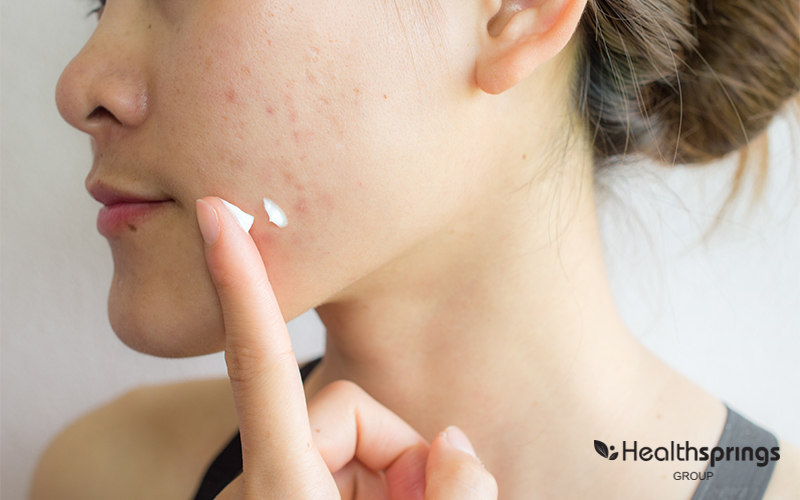 Experiencing acne breakouts? Incorporate a targeted acne treatment into your routine to reduce inflammation and prevent new eruptions. Products containing salicylic acid or centella asiatica, such as Healthsprings’ Comedone Cream, can be helpful. If you’re new to acne treatments, start with a lower concentration of active ingredients and gradually increase as your skin builds tolerance.
Step 4: Hydrate
Use a lightweight, non-comedogenic moisturiser to keep your skin hydrated. Even if you have oily or acne-prone skin, moisturising is essential to maintain a healthy skin barrier and to prevent more breakouts. Look for ingredients like hyaluronic acid or glycerin. It’s important to moisturise your skin, especially after using acne treatments, as those products have the tendency to dry out or irritate the skin.Step 5: Sun Protection
Exposure to the sun’s harmful ultraviolet rays can worsen hyperpigmentation and make scars more noticeable. Be sure to apply a broad-spectrum sunscreen with at least a Sun Protection Factor (SPF) of 30, even on cloudy days, to protect your skin. Choose products labelled as non-comedogenic to avoid clogging your pores. Healthsprings’ Glow Sunblock SPF 60 is a non-greasy sunscreen that protects against both UVA and UVB rays. It’s also enriched with antioxidants that help protect your skin against oxidative damage while shielding it from the sun.Additional Skincare Tips to Follow:
- Avoid Picking or Popping Pimples: Picking at acne can lead to scarring. Let blemishes heal naturally to minimise the risk of scars.
- Stay Hydrated: Drink plenty of water to keep your skin hydrated from the inside out.
- Maintain a Healthy Lifestyle: Consume a balanced diet rich in fruits, vegetables, and whole foods, and take steps to manage stress. For example, yoga or meditation.
- Consult a medical aesthetic doctor: If you struggle with persistent acne or are unsure about suitable products, seek advice from a medical aesthetic doctor for personalised advice and treatments.
4.2. Bad Habits to Avoid
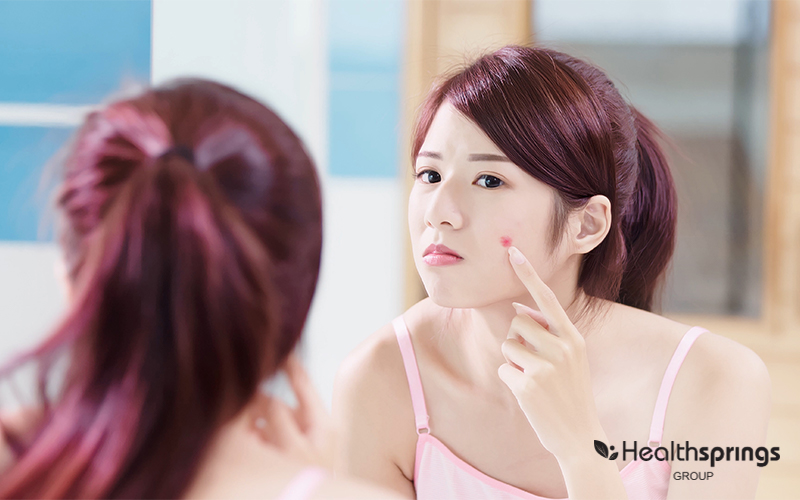 Besides effective skincare, you’ll also need to practise good hygiene and avoid certain bad habits to prevent acne scars. Some of these actions have the potential to exacerbate acne conditions and hinder the healing process.
- Picking or Squeezing Pimples: Doing so can rupture the follicle wall and allow bacteria and debris to spread beneath the skin, increasing the likelihood of scarring.
- Neglecting Your Skincare: Not adhering to a consistent regimen can contribute to acne and, subsequently, scarring. Regularly cleansing, exfoliating, and moisturising are essential to maintain healthy skin and prevent breakouts.
- Using Harsh Products: Overusing skincare products or using those that contain substances you’re sensitive to can strip your skin of its natural oils, causing dryness and irritation. This can aggravate existing acne and contribute to scarring.
- Skipping Sunscreen: Exposure to the sun’s harmful UV rays can worsen hyperpigmentation and increase the visibility of scars. Always apply a broad-spectrum sunscreen with at least SPF 30, especially if you’re using acne treatments that may increase your skin’s sensitivity to sunlight. For example, vitamin C or retinol.
- Not Getting Ample Rest: Inadequate sleep can trigger hormonal changes that may exacerbate acne. Heading to bed early and getting at least eight hours of rest daily should be your priority if you wish to keep acne at bay.
- Using Dirty or Old Makeup Brushes: Your makeup brushes may harbour bacteria after prolonged use. Applying makeup with them introduces germs and bacteria to your skin, which can contribute to breakouts. Make sure you’re cleaning your brushes regularly and replacing old products to prevent irritation and potential scarring.