

Summary
- Old acne scars can still be treated, as scar type, depth and severity generally matter more than how long the scars have been present.
- Rolling, boxcar and ice pick scars differ in structure and may respond better to different treatment approaches.
- Laser treatments can improve the depth, texture and overall appearance of acne scars, although they are unlikely to remove scarring completely.
- Deeper or mixed acne scarring may require a combination of treatments rather than laser alone.
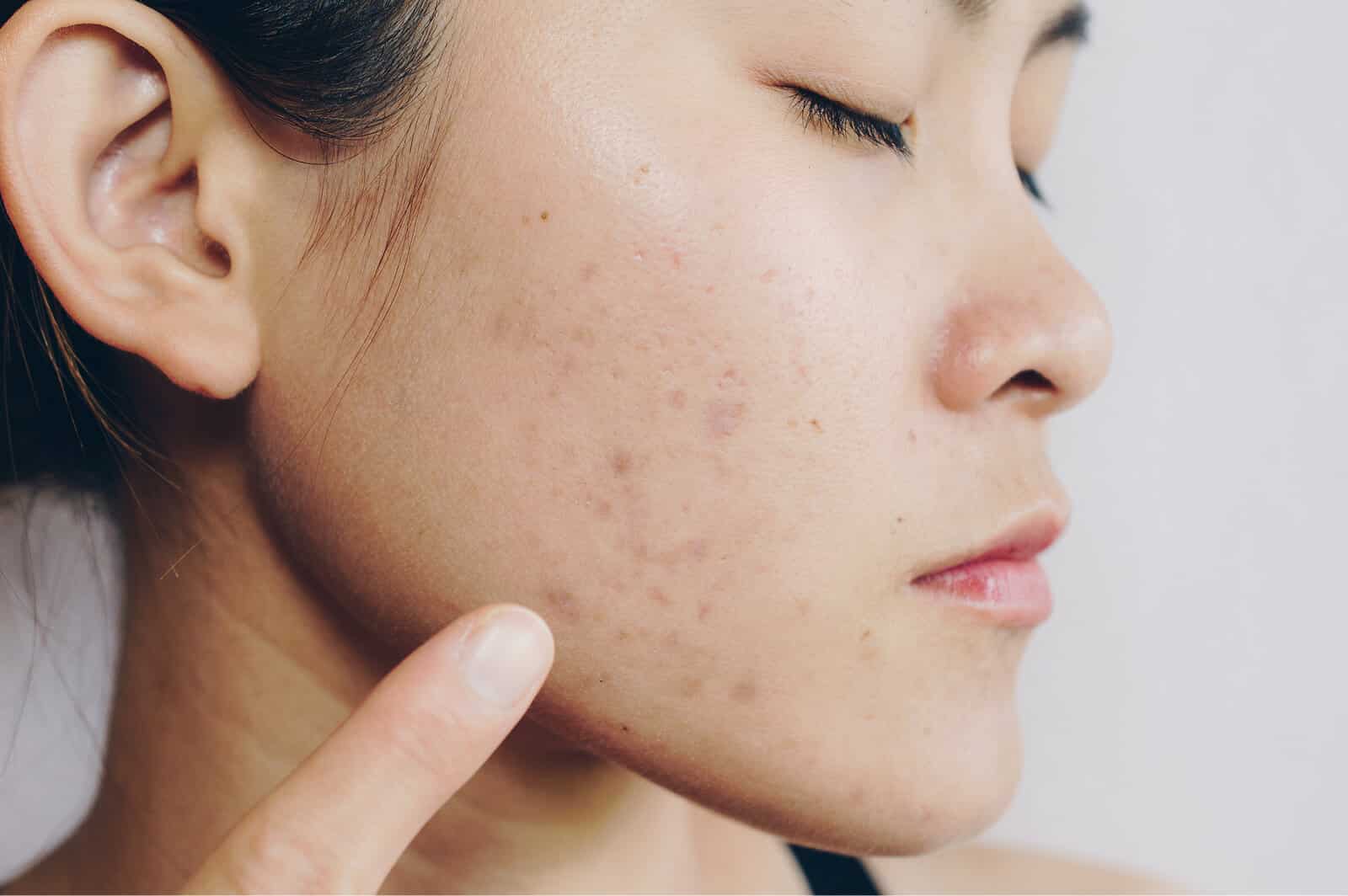
You may have assumed that once old acne scars have been there for years, there is little you can do about them. This is not true. Laser treatment, for instance, can help you improve your skin.
Rather than simply “removing” an old scar, laser treatment works by encouraging collagen remodelling and improving the texture of the surrounding skin.
Keep reading to learn more.
Does the Age of an Acne Scar Affect Whether It Can Be Treated?
Not necessarily. Once an acne scar has matured, its type, depth and severity generally matter more than how many years it has been there when deciding on the right treatment.
What Happens to Scar Tissue Over Time?
Once acne has healed, the collagen laid down to repair the skin settles into a fairly fixed structure. This structure does not change much on its own after the first year or two, whether the scar is five years old or twenty.
Why Depth Matters More Than Duration
What actually decides your treatment options is the type and severity of your scarring, not how long it has been there.
The choice of laser system comes down to the type of scar, how severe it is, and how much downtime you can tolerate. A shallow scar from last year and a shallow scar from a decade ago tend to respond similarly.
Why Does Your Acne Scar Type Matter?
Acne scars vary in shape, depth and structure, meaning they do not all respond to treatment in the same way.
Pitted acne scars, for example, include rolling, boxcar and ice pick scars, and identifying the type you have helps guide which laser approach may be most appropriate.
Rolling Acne Scars
Rolling acne scars have a broad, shallow, wave-like appearance caused by bands of tissue pulling the skin down from underneath.
Because those bands sit beneath the surface, RF microneedling that reaches deeper skin layers is often a better fit here than surface-level treatments.
Boxcar Scars
Boxcar scars have sharper, defined edges and a flatter base, similar to chickenpox scarring. Those crisp edges often make them more noticeable than shallower scarring, even though both are technically indented or atrophic scars.
Ice Pick Scars
Ice pick scars are narrow and go deep into the skin, sometimes reaching the deeper layers of tissue. Because they are so narrow, a laser alone may not fully resolve them, and a combined approach is often needed.
Raised or Hypertrophic Scars
Unlike the indented types above, hypertrophic scars sit above the skin’s surface. They stay within the boundary of the original acne lesion, and unlike keloids, they can gradually shrink on their own over time.
Even so, many people, understandably, choose treatment to speed that process up or improve the texture sooner.
How Laser Resurfacing Works on Scar Tissue
Laser resurfacing is one of the most established forms of scar laser treatment offered in Singapore. It includes a fractional CO2 laser which works by creating controlled, targeted heat in the skin, stimulating the natural healing response and encouraging new collagen formation.
Indented scars are the most common type of acne scarring and are among the types that can respond to laser resurfacing. Treatment focuses on the scar’s current depth and structure rather than how long ago it first developed.
What Results You Can Realistically Expect
Acne scar laser treatment can improve the depth, texture and overall appearance of scarring, but it is unlikely to remove scars completely. The aim is generally more even-looking skin, although some scarring may remain visible.
If you are unsure what may work for your scars, our doctors at Healthsprings Laser & Aesthetic Clinic can assess your skin and scarring pattern during a consultation and discuss the treatment options that may be appropriate for you. Contact us today.
How Many Sessions You May Need
Most laser scar treatments are delivered as a series of sessions rather than a single visit, spaced weeks apart to allow the skin to heal between treatments. The number of sessions you need depends on scar depth, scar type, and how your individual skin responds.
Which Acne Scars May Be Suitable for Digital Peel Laser?
Digital Peel Laser is one of several laser options available for acne scarring, and its suitability depends on the same scar-type assessment covered above.
How Digital Peel Laser Works
Digital Peel uses laser energy to resurface the skin, encouraging renewal and collagen production as the treated area heals. It can be used to improve uneven texture and other visible changes left behind by acne.
Acne Scars Digital Peel May Help With
Digital Peel may be considered for shallower acne scars and uneven skin texture, as well as concerns such as post-acne pigmentation. Whether it is suitable depends on the type and extent of scarring present.
Why Might Acne Scars Need More Than One Treatment?
Acne scarring often involves a combination of scar types and depths, so one treatment may not address every concern equally well.
When Different Scar Types Occur Together
Rolling, boxcar and ice pick scars can appear on the same area of skin, but each has a different structure and may respond differently to treatment. This is why treatment plans are often tailored to the individual scars present.
Why Treatments May Be Combined
Rather than relying on one technology to treat every scar, different treatments can be matched to different types of scarring. For example, laser may be combined with treatments such as dermal fillers for deeper indentations or chemical peels for more superficial concerns.
If your acne scars vary in type or depth, a consultation can help clarify whether a single treatment or a combination of approaches may be more appropriate for your skin. Book an appointment at Healthsprings Laser & Aesthetic Clinic or schedule an online consultation.
Managing Expectations Across a Treatment Plan
Treating scarring with more than one method usually takes longer than a single treatment path, both in the number of visits and the overall timeline. Discussing this upfront with your doctor helps you know what the full journey may involve.
When Should You Speak to a Doctor About Acne Scars?
If your scarring bothers you, affects your confidence, or you have tried over-the-counter products without seeing change, it is a reasonable time to seek a professional opinion.
What to Expect at an Assessment
A doctor will typically examine your skin under good lighting, sometimes stretching the skin to gauge scar depth, and ask about your acne history and any treatments you have already tried. This helps them identify which scar types are present and in what proportion.
Questions Worth Asking Your Doctor
You might ask which acne scar types you have, which treatments are being recommended and why, how many sessions to expect, and what results are realistic for your specific skin.
Find the Right Approach for Your Acne Scars
Having acne scars for years does not mean they can no longer be treated. What matters more is understanding the type, depth and pattern of scarring you have, and which treatments are appropriate for your skin.
At Healthsprings Laser & Aesthetic Clinic, we assess your acne scars individually before recommending a treatment approach. Depending on your scarring, this may involve laser treatment or a combination of treatments to address different scar types and depths.